Yoga Pose Library
Browse by concern, family & difficulty
Yoga & Science
Why yoga works — stress, sleep, posture & recovery
Browse by concern
Reset screen fatigue
 Reset screen fatigue
Guided Meditation Videos
5–10 minutes · Watch anytime
 5 minPremium
 Focus & clarity
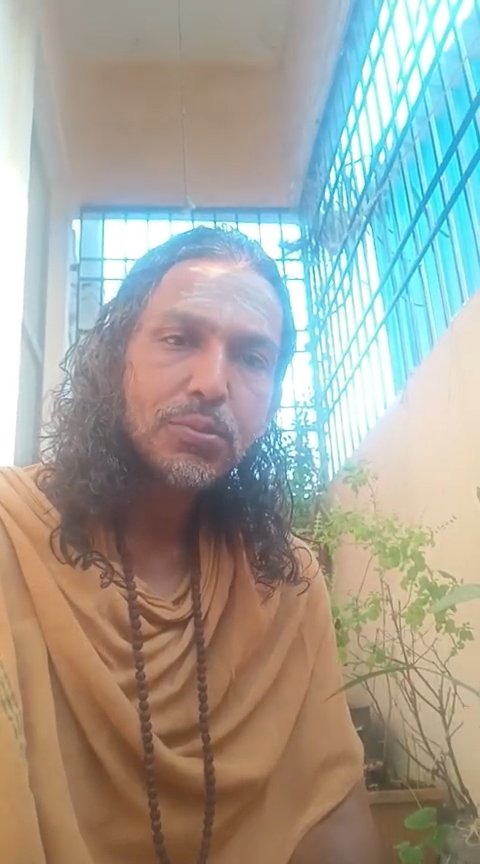
Sutra Neti / சூத்ர நேதி
Sutra Neti is an advanced yogic purification practice in which a thread or soft catheter is inserted through the nose and guided out through the mouth. It is traditionally used to clean the nasal passage and is considered part of the preparatory cleansing practices of Hatha Yoga. Because it can irritate or injure the nasal lining if done incorrectly, it should be learned only under qualified guidance. Benefits Its main purpose is to cleanse the nasal passages and improve ease of breathing. Neti practices are also commonly described as helping reduce mucus buildup, support sinus comfort, and promote mental calmness and clarity, which may help prepare for pranayama and meditation.
Wellness Articles
Browse by concern
 Premium
 Neck tension
Resetting Your Gaze When PC Work Makes You Foggy
Reset Yoga Editorial Team →
 Premium
 Shoulder tension
 Posture
Poor Posture Is Not Weak Willpower — It Is a Design Problem
Reset Yoga Editorial Team →
 Premium
 Recovery
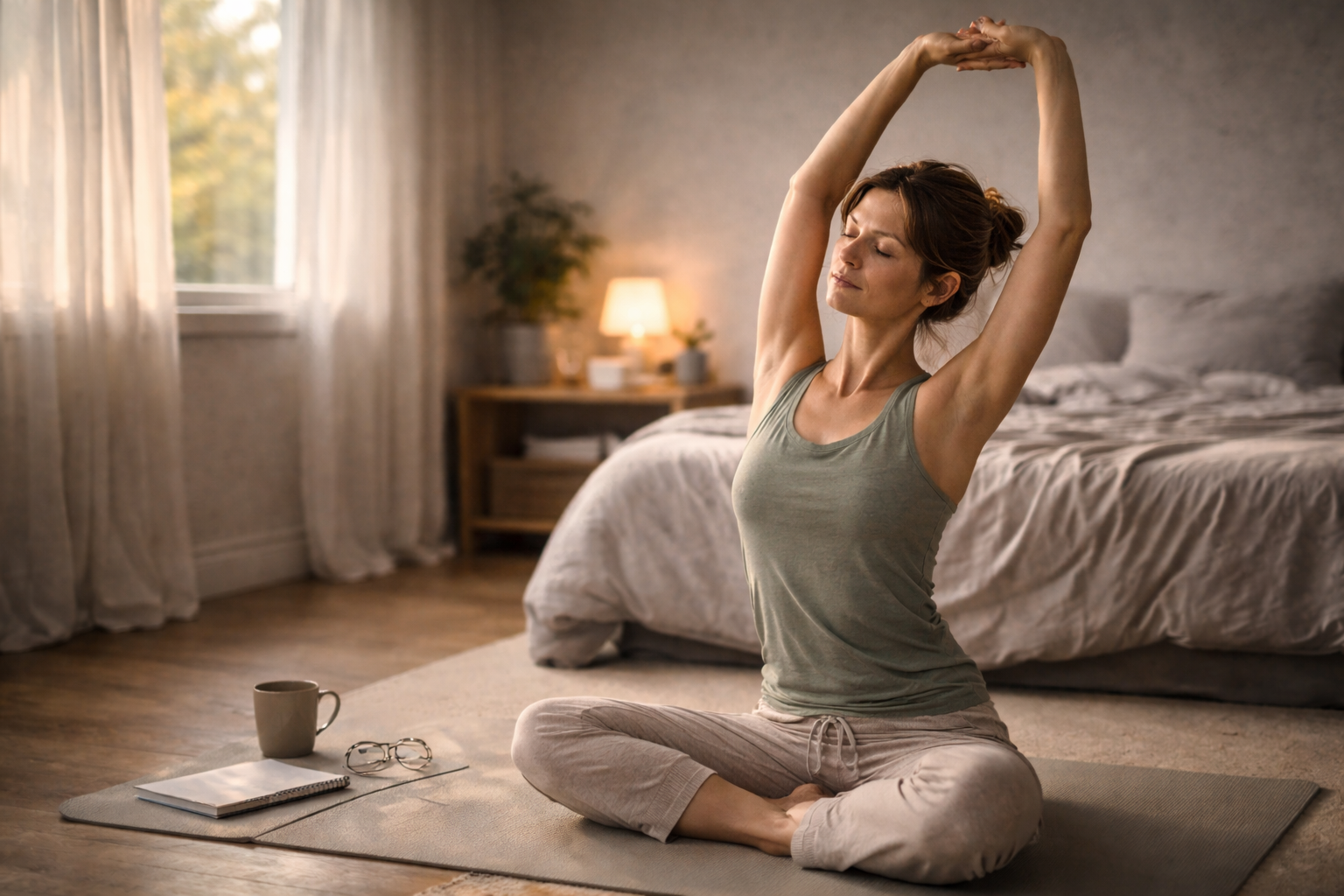
Morning Yoga to Reset a Distracted Brain
Reset Yoga Editorial Team →
 Premium
Eye Strain Does Not Go Away by Resting the Eyes Alone
Reset Yoga Editorial Team →
 Premium
 Stress relief
 Restless nights
The Simplest Wellness Practice in the World
Reset Yoga Editorial Team →
The Yoga That Actually Works
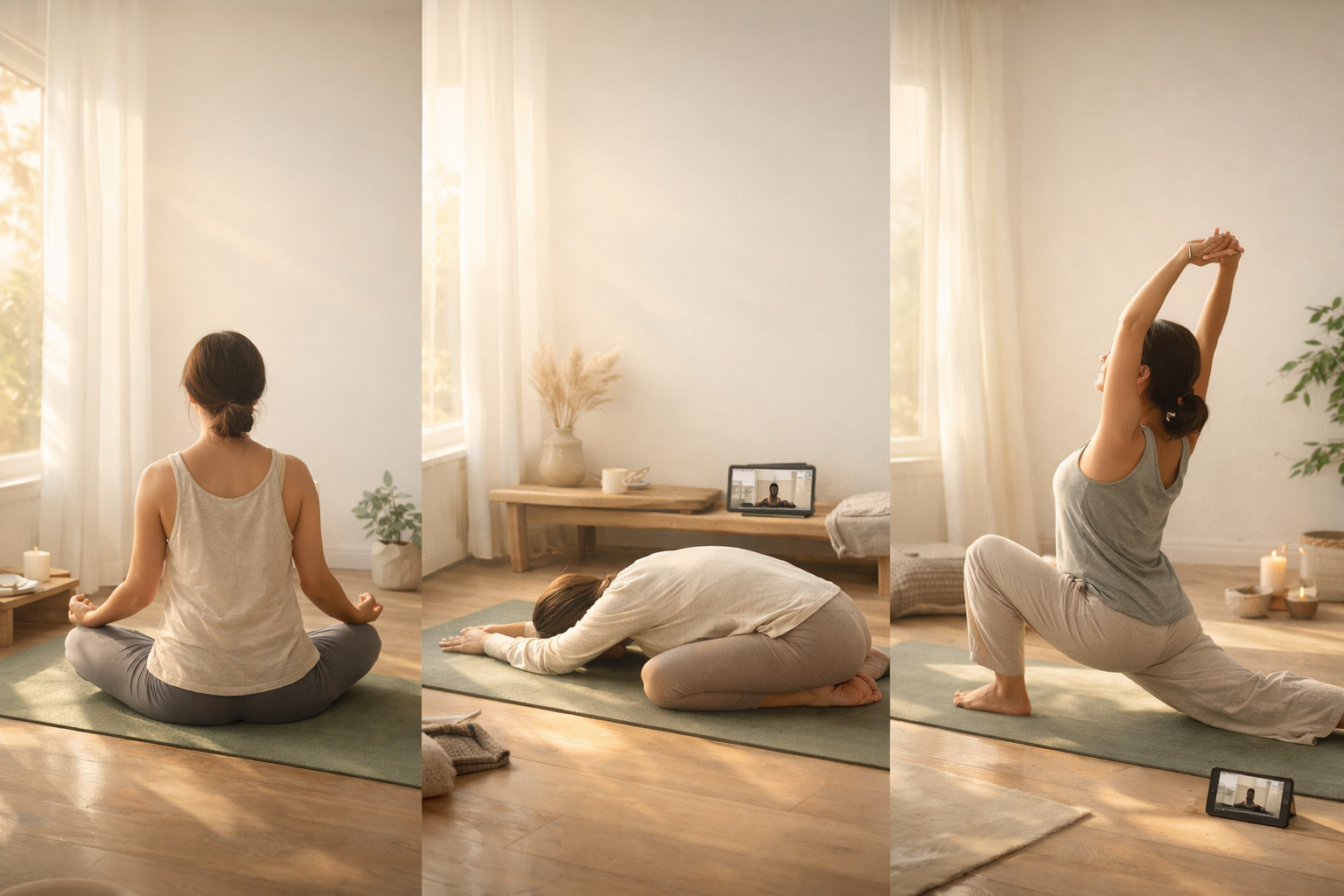
Early morning. Before the children wake up, before the first meeting begins, before the phone fills with notifications. For a brief moment, the house is quiet. You roll your shoulders. They are tight again. The tension didn’t appear overnight. It built slowly — through emails, deadlines, school runs, and the invisible mental load of modern life. For many people in their 30s and 40s, yoga becomes a refuge. A place to breathe. A place to stretch. A place to recover. And yet, many people quietly feel something puzzling. “I’m doing yoga… but it doesn’t always feel right.” The answer may be simpler than we think. Not all yoga is meant for every body. And this is where an ancient wisdom begins to make sense. More than 5,000 years ago, the traditional Indian science of Ayurveda described human constitution through three energetic patterns: Vata Pitta Kapha These are known as doshas . Each person carries a unique combination of them, and understanding your dominant dosha can help you choose the yoga style that supports your body instead of fighting against it. Because yoga, at its core, is not about flexibility. It is about balance . Vata The restless energy of modern life Vata represents the energy of air and movement. People with strong Vata energy tend to be creative, fast-thinking, and constantly multitasking. Many busy professionals and parents fall into this category. But this movement often comes with tight shoulders shallow breathing anxiety restless sleep For Vata types, the most effective yoga is slow, grounding, and calming . Recommended practices include: gentle Hatha yoga restorative yoga long, slow stretching Breathing practices such as deep diaphragmatic breathing or alternate nostril breathing (Nadi Shodhana) can help calm the nervous system. The goal is simple: to bring the wind back to the ground. Pitta The driven achiever Pitta represents the energy of fire. These are the leaders, decision-makers, and high performers. They are focused, productive, and often highly successful. But the same fire can create tension in the neck and shoulders irritability burnout difficulty relaxing For Pitta types, the most beneficial yoga is not intense. It is cooling and softening . Practices such as Yin yoga restorative yoga slow flow yoga allow the nervous system to reset. Cooling breathing techniques such as Sitali breathing can also help balance excess heat in the body. For Pitta personalities, yoga is not about pushing harder. It is about learning to let go. Kapha The steady foundation Kapha represents earth and water. People with strong Kapha energy tend to be calm, patient, and deeply supportive of others. They often become the emotional anchors of families and teams. However, they may also experience heaviness in the body stiffness in the back and shoulders low motivation to move For Kapha types, yoga should be energizing and stimulating . More dynamic styles such as Vinyasa yoga Power yoga Sun salutations can awaken the body’s energy. Breathing techniques like Kapalabhati breathing can help activate vitality and circulation. For Kapha types, movement is medicine. The deeper purpose of yoga But perhaps the most important insight is this: Yoga is not about mastering poses. It is about understanding your own body. Most of us move through life without listening to the signals our bodies send. We push through fatigue. We ignore tension. We forget to breathe. Yoga creates a rare moment where something shifts. A realization appears. “I have been holding tension for hours… maybe years.” That moment of awareness is where real healing begins. Why busy people need yoga the most Especially in the modern world. People in their 30s and 40s carry an extraordinary amount of responsibility. Career. Children. Relationships. Endless digital noise. That is why even ten minutes of mindful movement can change the entire rhythm of a day. A slow stretch. A quiet breath. A gentle twist. These small practices become powerful anchors. In the end Ayurveda offers a simple idea. Health is not about perfection. It is about living in harmony with your natural rhythm. You do not need the perfect yoga practice. You only need a moment of awareness. And when that awareness appears, yoga becomes something deeper than exercise. It becomes a way of coming back to yourself. And sometimes, in that quiet moment, a surprising thought appears. Maybe life does not have to be pushed so hard. Maybe it can also be lived gently.
Reset Yoga Editorial Team →
This content is for educational purposes only and is not medical advice. If you have pain, injury, pregnancy-related concerns, or a medical condition, consult a qualified healthcare professional before practicing.